


im HIS-LSF
Module description
The students:
- familiarise themselves with the fundamentals of lighting technology and are able to apply them.
- can describe the physiology of the human visual system.
- familiarise themselves with the properties of optical materials and the associated manufacturing and processing methods.
- learn the analytical calculation of simple optical elements such as lenses and mirrors.
- create concepts for optical systems.
- familiarise themselves with a computer-aided optical simulation tool.
- learn how photometric devices work.
- are able to analyse existing optical systems.
Prior knowledge:
- Constructive basics
- Optics from the physics laboratory
Literature:
- Lecture notes
Qualifikation:
In the lecture design and simulation of optomechatronic systems the construction, manufacturing and dimensioning of optical devices will be handled. This English lecture is especially designed for master students of optical technologies.
Goals:
The students get to know the fundamentals of lighting technology can describe the physiology of the human visual system get to know optical materials (glasses and polymers) and the according manufacturing and processing technologies learn the analytical calculation of simple optical elements such as mirrors and lenses set up concepts for optical systems use an optical simulation software learn the working principle of light measurement devices can analyze existing optical systems
Course registration and materials
Further information on this module can be found in the online course catalogue and in Stud.IP.
This lecture is given in english.
Alter Titel: "Konstruktion Optischer Systeme / Optischer Gerätebau".
Old heading: "Konstruktion Optischer Systeme / Optischer Gerätebau" eme /
Prüfungsanmeldung
Ihre Dozentin / Ihr Dozent in diesem Modul
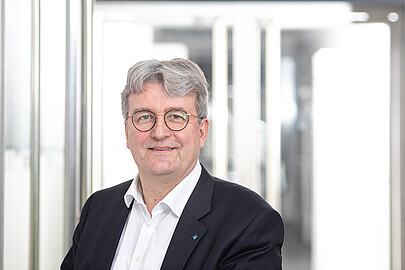
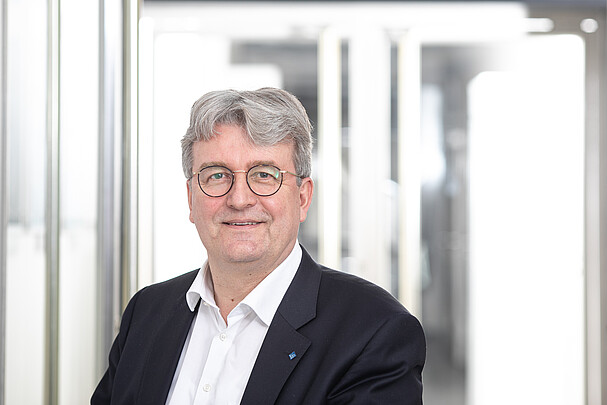
Prof. Dr.-Ing. Roland Lachmayer
Geschäftsführende Leitung
Telefon
Adresse
An der Universität 1
30823 Garbsen
30823 Garbsen
Gebäude
Raum
Prof. Dr.-Ing. Roland Lachmayer
Geschäftsführende Leitung
Telefon
Ihre Betreuerin / Ihr Betreuer


Malte Falkner, M. Sc.
Wissenschaftliche Mitarbeiterinnen und Mitarbeiter
Telefon
E-Mail
Adresse
An der Universität 1
30823 Garbsen
30823 Garbsen
Gebäude
Raum
Malte Falkner, M. Sc.
Wissenschaftliche Mitarbeiterinnen und Mitarbeiter
Telefon
E-Mail